Drug abuse is often misunderstood.
Many people see it as a personal failure.
In reality, it is a growing public health issue affecting individuals, families, and entire communities.
It cuts across age, gender, and social class.
And its impact goes far beyond the person using the drug.
What Drug Abuse Really Means
Drug abuse is the harmful or excessive use of substances that affect the mind and body.
These substances may include:
- Alcohol
- Prescription medications
- Illegal drugs
- Locally made substances
Abuse begins when use turns into dependence and control is lost.
Why People Abuse Drugs
Drug abuse rarely starts without a reason.
Common triggers include:
- Stress and pressure
- Mental health struggles
- Peer influence
- Curiosity and experimentation
- Poverty and unemployment
- Trauma and emotional pain
For many, drugs become an escape before they become a trap.
The Effects on the Body and Mind
Drug abuse damages more than health.
It affects:
- Brain function and memory
- Heart, liver, and kidney health
- Emotional stability
- Decision-making ability
Over time, it can lead to addiction, chronic illness, and even death.
Mental health issues such as depression, anxiety, and psychosis are also common consequences.
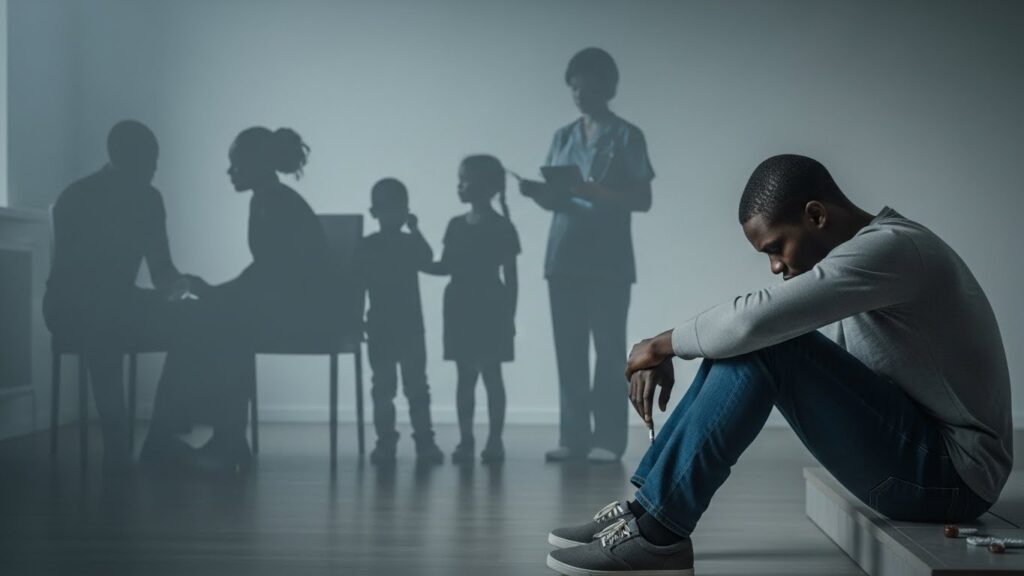
The Impact on Families and Society
Drug abuse does not happen in isolation.
Families experience:
- Emotional distress
- Financial strain
- Broken trust
- Increased conflict
Communities face:
- Rising crime rates
- Reduced productivity
- Strained healthcare systems
The cost of drug abuse is shared by everyone.
Breaking the Cycle
Recovery is possible.
But it requires support, not judgment.
Effective solutions include:
- Early education and awareness
- Access to mental health care
- Rehabilitation and counselling
- Strong family and community support
Punishment alone does not solve addiction.
Compassion and proper care do.
Prevention Starts With Awareness
Talking openly about drug abuse matters.
Education helps people:
- Recognise early warning signs
- Make informed choices
- Seek help without shame
Silence allows the problem to grow.
A Final Thought
Drug abuse is not a weakness.
It is a warning sign.
When society listens, supports, and acts early, lives can be saved.
The real question is not who is affected.
It’s whether we are willing to respond.